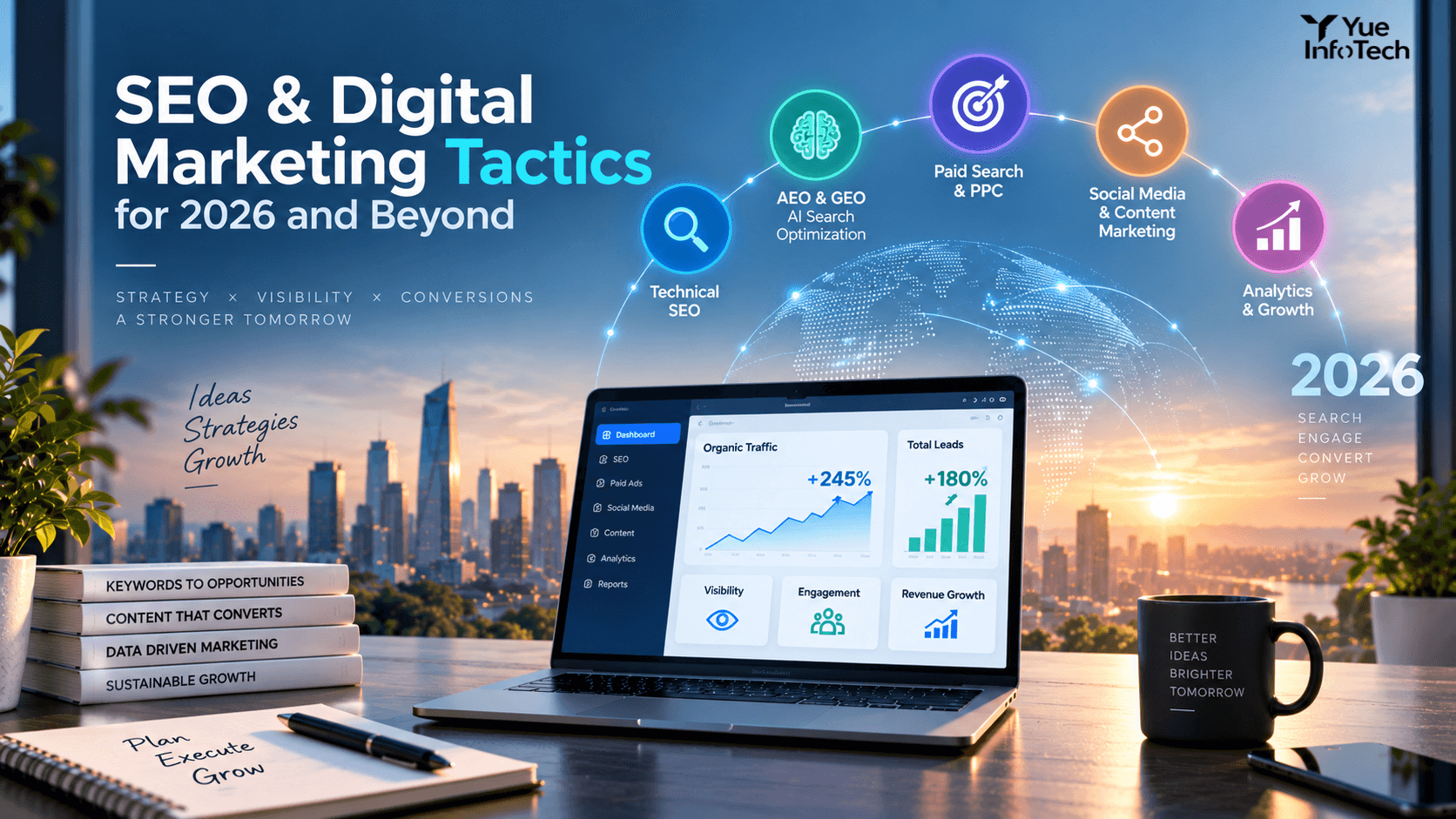
1. Multi-Model Search: Expanding from SERPs to AI Overviews (AEO & GEO)
The traditional search engine results page (SERP) is no longer a simple list of ten blue links. With Google AI Overviews, Perplexity, and conversational LLMs fielding complex queries, brands must optimize for answer extraction and entity citations.
Modern brands deploy advanced SEO services that incorporate Answer Engine Optimization (AEO) and Generative Engine Optimization (GEO). By structuring content into concise 40–60 word answer summaries and deploying JSON-LD schema (e.g., FAQPage, Service), companies ensure their data is parsed and cited in generative AI answers.
2. High-Authority, Experience-Led Content (E-E-A-T)
Search algorithms penalize thin, programmatic content. To rank sustainably, websites must demonstrate first-hand experience, subject-matter expertise, authoritativeness, and trustworthiness (E-E-A-T).
Investing in professional content writing services ensures every published piece provides proprietary data, technical depth, and real-world case studies. Rather than targeting isolated keywords, modern content strategy builds topic clusters that establish comprehensive domain authority across an entire sector.
3. High-Performance Web Infrastructure and Core Web Vitals
Search engines directly measure user satisfaction through page speed, visual stability, and interaction responsiveness. A slow or poorly structured website leaks traffic and depresses search rankings.
Engineering a resilient digital foundation requires dedicated web design and development services focused on sub-second server response times, responsive mobile layouts, and zero cumulative layout shift. For mission-critical sites, hosting on managed cloud hosting and maintaining proactive cybersecurity protocols safeguards uptime and maintains search engine trust.
4. Hyperlocal Discovery and Local Entity Optimization
For multi-unit enterprises, regional clinics, and local retailers, geographic search intent drives direct commercial conversions. Search engines prioritize verified local entities with consistent citations across mapping networks.
Deploying specialized local business services optimizes Google Business Profiles, secures local pack rankings on Google Maps, and synchronizes localized landing pages with Name, Address, and Phone (NAP) schema markup.
5. Synchronized Paid Acquisition: Search and Social
Organic optimization takes time to compound, while paid advertising provides immediate demand capture. The most resilient growth systems unite these disciplines into an integrated digital marketing services strategy.
- Commercial Intent Capture: Driving high-intent leads via precision PPC management and conversion-tuned Google search ads.
- Targeted Retargeting: Re-engaging warm prospects across behavioral funnels using high-performing Meta ads.
- Brand Community: Expanding organic touchpoints and audience trust through active social media marketing.
6. Brand Authority & Online Reputation Management (ORM)
Search algorithms and generative AI models increasingly evaluate off-page sentiment and brand co-occurrence. A surge in unmanaged negative reviews or brand confusion degrades conversion rates and weakens organic trust signals.
Forward-looking marketing teams align corporate positioning through proactive brand strategy while utilizing dedicated online reputation management (ORM) to safeguard brand equity, resolve customer sentiment friction, and maintain clean brand search results.